Services · Confidence + Conversion
CGI that shows what a camera cannot.
CGI visualisation and 3D animation from Hertfordshire and London. Hyper-real renders and animation for products, spaces and concepts that do not exist yet.
Where this fits
CGI lets us show what a camera cannot: a product that does not exist yet, an interior, a process inside a machine. We use it to build confidence in a product and to support conversion, by making the value obvious before a buyer ever sees the real thing.
Most first projects start from £3,500, the fixed price of a Pilot Session.
How we work
Find out how we work with our customers in 30 seconds.
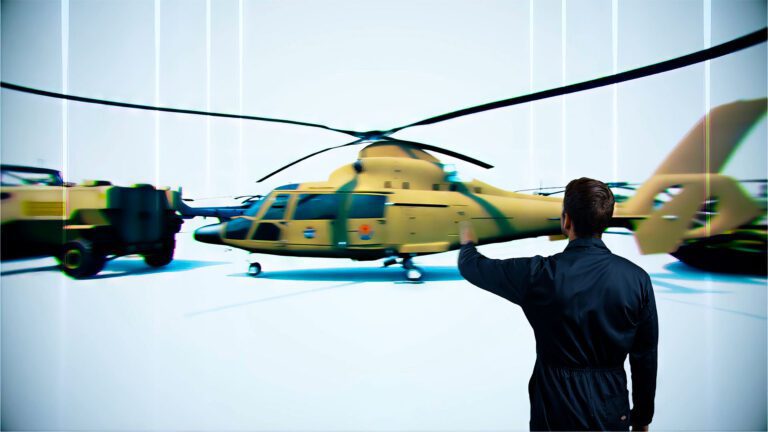
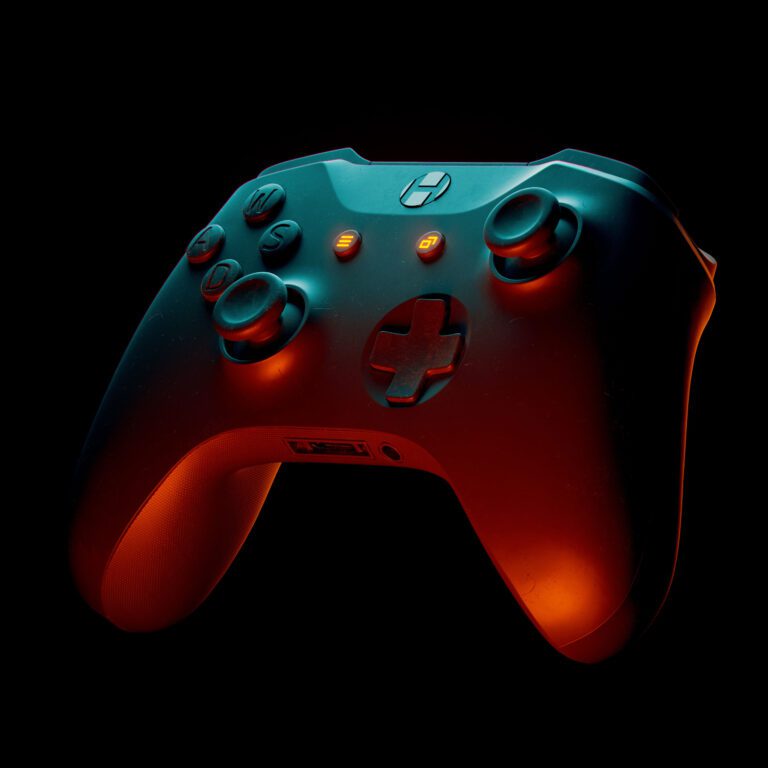
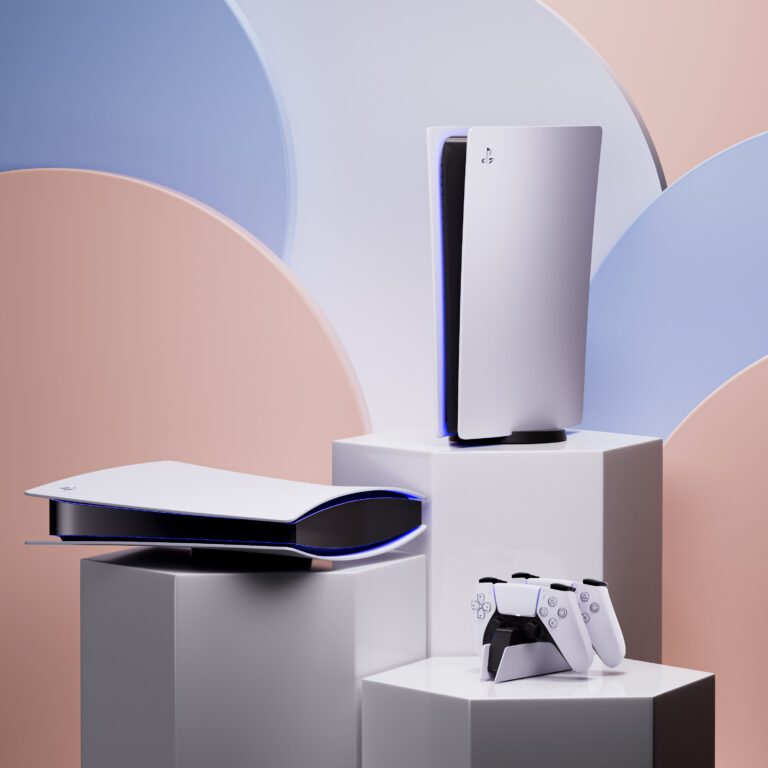
What this covers
If you can describe it, we can show it.
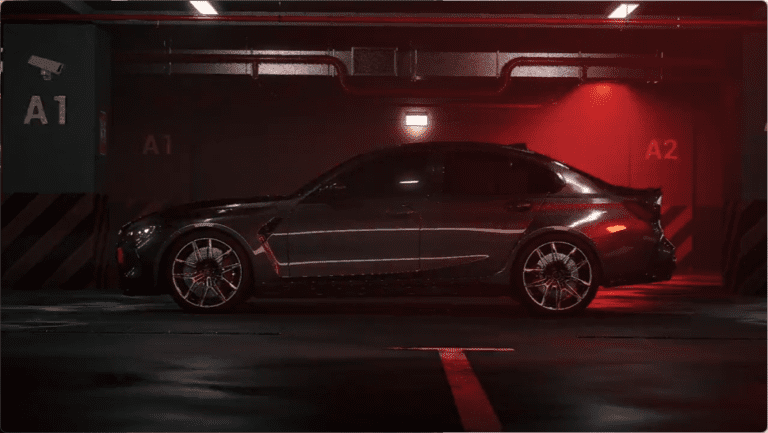
Architectural visualisation, product renderings and animated storytelling, built with obsessive care for lighting, texture and motion so the result reads as real.
Product renderings
Launch-grade visuals of products before a single unit is made.
Architectural visualisation
Interiors and exteriors, presented before they are built.
Animated 3D storytelling
Camera moves through spaces and inside machines that film cannot reach.
Sector-tailored work
Architecture, product design, advertising and entertainment, each to its own standard.
What people are usually trying to solve.
Most CGI enquiries start with one of these three. None of them are unusual, and knowing which one you are dealing with tends to shape how we approach the work.
There is nothing to photograph yet
The launch date, the tender or the trade show arrives long before the first unit does. The sales team needs something to show while the product is still a set of drawings, and a camera cannot help with that.
The part that matters is hidden
What is worth explaining happens inside a machine, behind a panel or below ground. Even with full access on site, a camera cannot get to it, so people fall back on describing it in words.
Every new request starts from scratch
A brochure image is commissioned, then a stand graphic, then something for the website, and each one is quoted and built again from the beginning. The cost repeats, and the product ends up looking slightly different every time it appears.
One build, and everything after it comes from the same model.
We build the product or the space once, properly, and every image and every animation comes out of that same model. A hero animation, a set of stills for the website and brochure, and short pieces for social all stay consistent, because they come from one source. When the design moves on or a new market needs a different configuration, we adjust the model rather than starting again.
The finished renders and the animation are yours, to use on your website, in brochures, at exhibitions and in tenders, without coming back to us for additional usage fees. The model stays on file, so the next piece starts from where we left off.
How a build actually runs.
Most people ask two things early on: whether it will end up looking like the real product, and what we need from them to start. Here is how it works.
We work from whatever you have
CAD or STEP files make it quicker, and we are happy to sign an NDA before anything is sent. Where those do not exist, technical drawings, a sample part or photographs of an early prototype are usually enough to build from.
You see the shape before the finish
The first review comes before any materials are applied, so the shape, the proportions and the layout can be corrected while changes are still cheap. Materials, lighting and the setting come after that is agreed.
Accuracy gets checked by the people who know it
We send stills at each stage for your engineers or architects to mark up. A fixing detail or a panel line in the wrong place is usually what undermines a render, so that extra round is worth having.
Changes and variants later on
Designs move, finishes change, and a new version gets added to the range. Because everything comes from one build, a revised piece usually costs a fraction of the original.
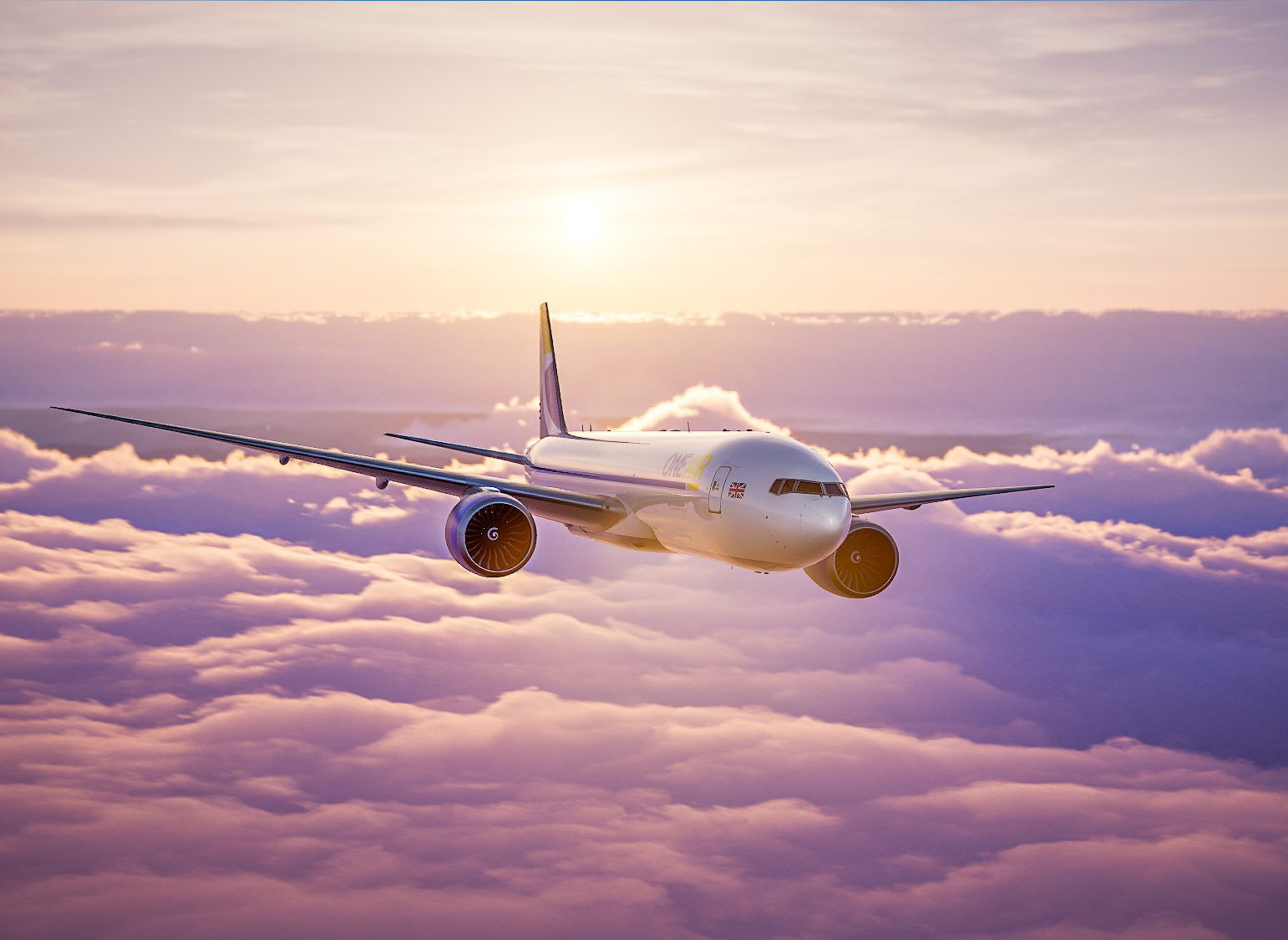
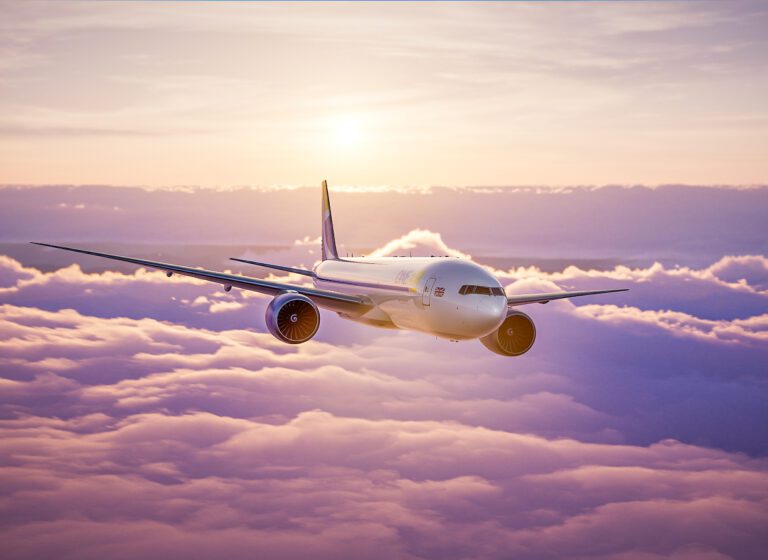
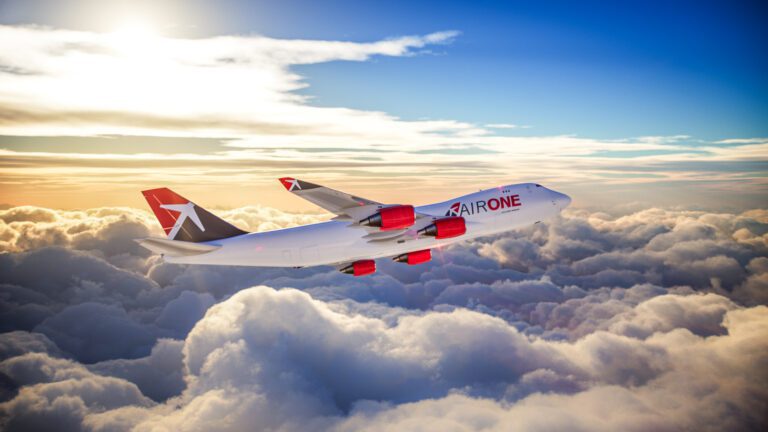
Work includes CGI and 3D animation for One Air.
Good to know.
How much does CGI and 3D animation cost?
How long does a 3D product animation or architectural visualisation take?
What do you need from us to get started, and how much of our time will it take?
Will the CGI actually look like the real product?
Who owns the finished renders and the 3D files?
When is CGI a better choice than filming?
Some of the brands and organisations we have worked with
What clients say
“From filming on location and editing remotely filmed clips to animation, voiceovers and social ads, Lumira treats every project with care, attention to detail and insight. It is why we have a longstanding relationship with the studio.”
“I have absolute faith in his professionalism and reliability when out on shoots for me. Everyone loves him and the end product is great quality.”

“Lumira has been a joy to work with. A true professional company who really cares about the output that they deliver. Would recommend to anyone!”

“Totally professional, and patient with me as a host. The end result was of quality you would only expect from the best in the business.”
“Professional, knowledgeable and productive. Lumira provides the dedicated, timely service I need to produce my regular content at the highest levels.”

“Strongly recommended. Produces high-quality video content for brands. Super flexible and responsive. The whole editing and feedback process was seamless.”

“An extremely proficient camera operator who always brought his own ideas to the table. Anything we produced was exciting and engaging.”
Let us map what this could do for your business.
A discovery call is a short conversation about your goals. No obligation, no pitch.
Request a discovery call